
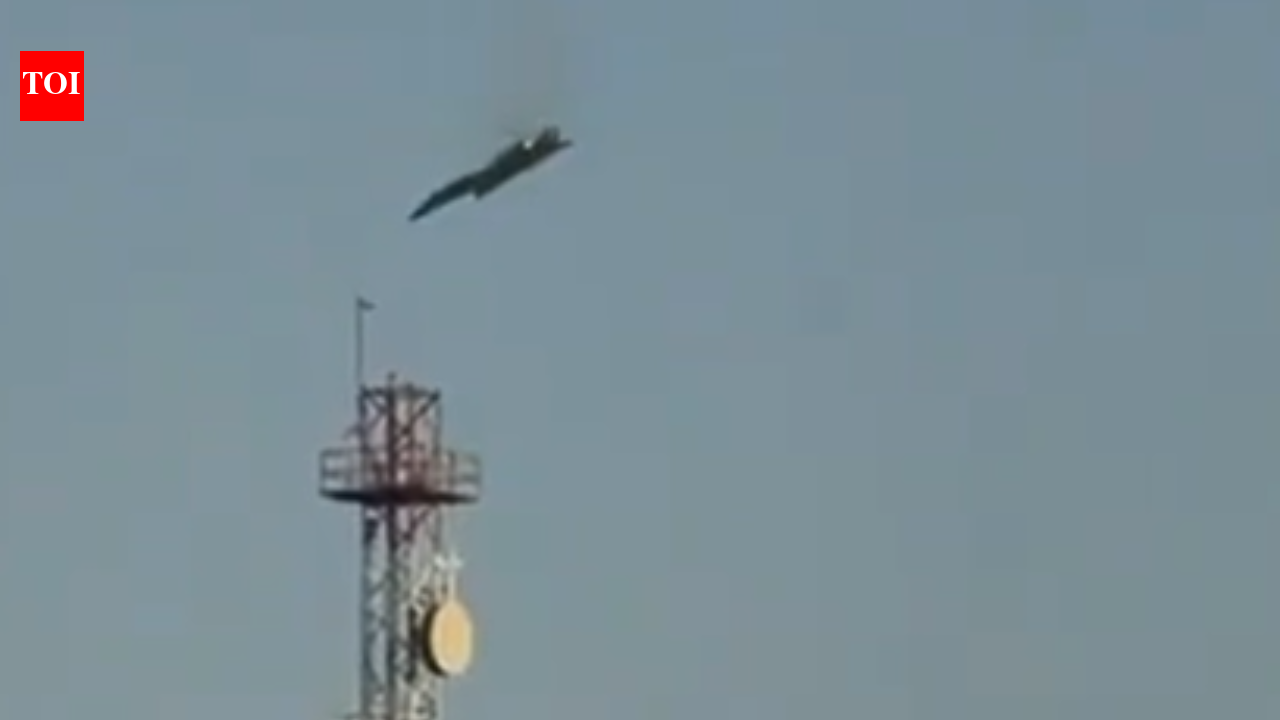
With world markets already rattled by fighting in the Middle East and oil prices soaring, Saudi Arabia’s Ras Tanura oil refinery came under attack Monday from Iranian drones, with defences downing the incoming aircraft, a military spokesman said on the state-run Saudi Press Agency.
Even successfully intercepted drones cause debris that can spark fires and injure those on the ground and online videos from the site, near the city of Dammam in eastern Saudi Arabia, appeared to show thick black smoke rising after the attack.
One of the world's largest refineries, with a capacity over half a million barrels of crude oil a day, was temporarily shut down as a precaution, Saudi state television reported.
 Workers evacuate area around Saudi Aramco's Ras Tanura oil refinery as smoke rises following a reported Iranian drone strike on March 2, 2026. © Social media via Reuters
Earlier in the day, more debris fell on Kuwait's Ahmadi oil refinery, injuring two workers, after drones were shot down, the state-run KUNA news agency said.
The attacks by Iran on major regional oil infrastructure add a new element to the war gripping the Middle East, directly targeting the lifeblood of the area's economy.
“It’s a really worrying signal. So far, we haven’t seen energy infrastructure being targeted,” Jorge Leon senior VP and head of geopolitical analysis at energy research and business intelligence company, Rystad Energy told FRANCE 24.
Read moreOil prices surge as tanker traffic in Strait of Hormuz grinds to a halt
“The longer this disruption goes on for the higher oil and gas prices we will see in the coming days and weeks.”
Why is Iran hitting energy infrastructure?
The attacks on Monday came as the war in the Middle East expanded on multiple fronts.
Strikes by Israel and the US were happening in Iran, and Israeli forces were hitting targets in southern Lebanon while attacks from Iran and Iranian-backed militias hit Israel and Arab states.
Read moreIsraeli strikes kill dozens in Lebanon as Hezbollah launches attack after Khamenei's death
A senior Iranian official signalled that there would be no negotiations with the United States, and the Iranian Red Crescent Society said at least 555 people have been killed so far in the Islamic Republic.
Iran’s goal in hitting energy infrastructure is to “cause global backlash and impose costs" on the US president, Sascha Bruchmann, a defence analyst with the International Institute for Strategic Studies in Bahrain, told The Associated Press.
“Gulf energy infrastructure [is] now squarely in Iran’s sights,” added Torbjorn Soltvedt, an analyst at the risk intelligence company Verisk Maplecroft.
“An extended period of uncertainty lies ahead as Iran seeks to impose a heavy economic cost by putting tankers, regional energy infrastructure, trade routes and US security partners in the crosshairs.”
How does the conflict impact oil shipping?
The strikes could rattle global markets, particularly if Iran makes the Strait of Hormuz unsafe for commercial traffic.
The Strait of Hormuz is a narrow waterway flanked by the Iranian coastline which carries 20% of the world’s oil.
 The Strait of Hormuz. © FRANCE 24
The strait, which is the only sea passage from the Persian Gulf to the open ocean, is also a major channel for exports of liquified natural gas.
Iran has been threatening ships in the Strait of Hormuz and at least three oil tankers sailing near the Strait came under fire on Sunday, raising questions over whether the critical energy chokepoint will become non-operational.
Read moreWar in Middle East: Tensions rise over Strait of Hormuz as tankers caught in crossfire
Shipping companies have already suspended their vessels’ traffic through the Suez Canal over security concerns.
The impact on the global economy could be extreme. “Disruption in the Straight of Hormuz could reach ten million barrels per day,” said Leon. “That’s 10 percent of consumption. This really highlights the importance of the current crisis.”
Travel and stock market disruption
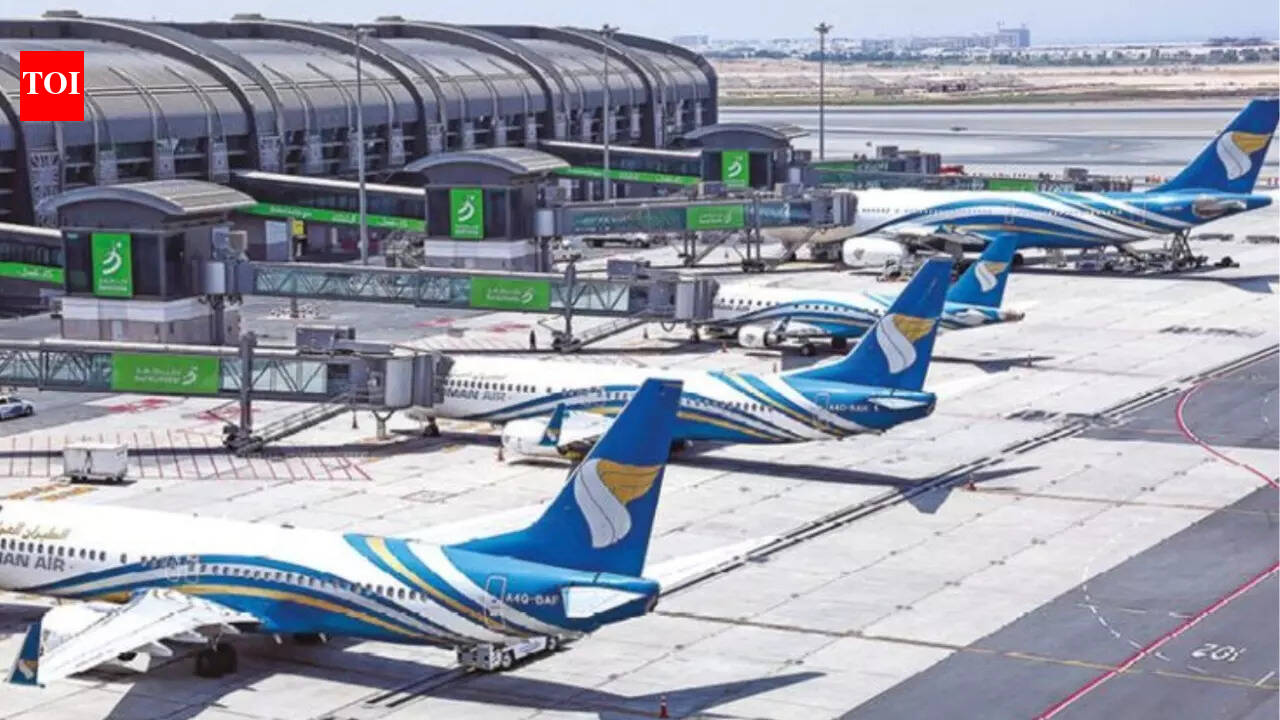
The ongoing conflict has also caused widespread travel disruption with tourists and business travellers stuck unexpectedly in hotels, airports and on cruise ships, with no word on when many airports would reopen or when flights to and through the Middle East would resume.
Shutdown airports in Dubai, Abu Dhabi and Doha – including Dubai International Airport, one of the busiest in the world – are important hubs for travel between Europe, Africa and the West to Asia. All three were directly hit by strikes.
Disruption has taken a toll on the travel sector with shares in global airlines United, Delta and American all sliding 5% to 6% and global hotel chains tumbling. Cruise lines like Carnival fell even harder.
Meanwhile the United Arab Emirates is shutting the country’s main stock exchanges for the start of the trading week as the regional war intensifies.
The country’s Capital Market Authority said the Abu Dhabi Securities Exchange and Dubai Financial Market would be closed Monday and Tuesday.
(FRANCE 24 with AP and AFP)








 English (US) ·