
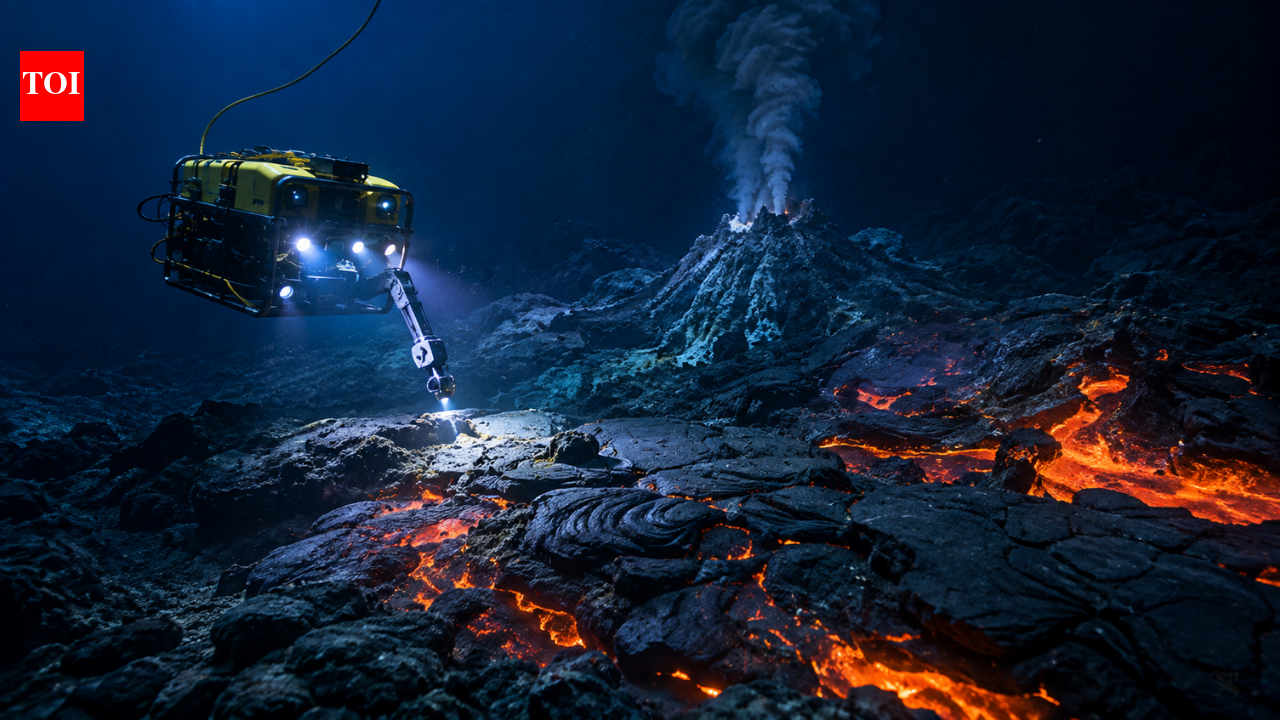
Representative Image (AI-generated) What happens when waste from a coal-fired power station is placed beneath the sea? In 1989, researchers in the UK built an experimental artificial reef from 50 tons of stabilised coal-fired power station waste, and marine life began moving in almost immediately. The unusual experiment took place in Poole Bay, off the coast of Dorset, where researchers created a reef from blocks made primarily of pulverised fuel ash, or PFA, and gypsum. The structure was designed to investigate whether a material normally treated as waste could be safely used to create habitat on the seabed. The findings were later published in the Bulletin of Marine Science in a study titled “Colonisation and Fishery Potential of a Coal-Ash Artificial Reef, Poole Bay, United Kingdom.” The research, led by A. C. Jensen and colleagues, found that adult European lobsters and edible crabs from nearby natural reefs reached the artificial structure within just three weeks.Building a reef from wasteThe experimental reef was deployed in June 1989 on a flat, sandy seabed in Poole Bay. It was positioned about 3 kilometres from natural rocky outcrops, giving researchers a useful setting to ...
UK researchers made a reef from 50 tonnes of coal waste; marine life arrived within 3 weeks
 8 hours ago
6
8 hours ago
6
Related


Popular



 English (US) ·
 © Clint's World News 2026. All rights are reserved
