
What to know about the Senate worldwide threats hearing:
- The Trump administration's spy chiefs will testify before the Senate Intelligence Committee on Wednesday at 10 a.m. on national security threats facing the U.S.
- The officials testifying include the Director of National Intelligence Tulsi Gabbard, CIA Director John Ratcliffe, FBI Director Kash Patel, National Security Agency chief Lt. Gen. William Hartman and Defense Intelligence Agency Director Lt. Gen. James Adams.
- The hearing will give senators a chance to question intelligence officials for the first time in public about the Trump administration's Iran war strategy and the "imminent" threats that President Trump has said Iran posed to the U.S. before the war broke out.
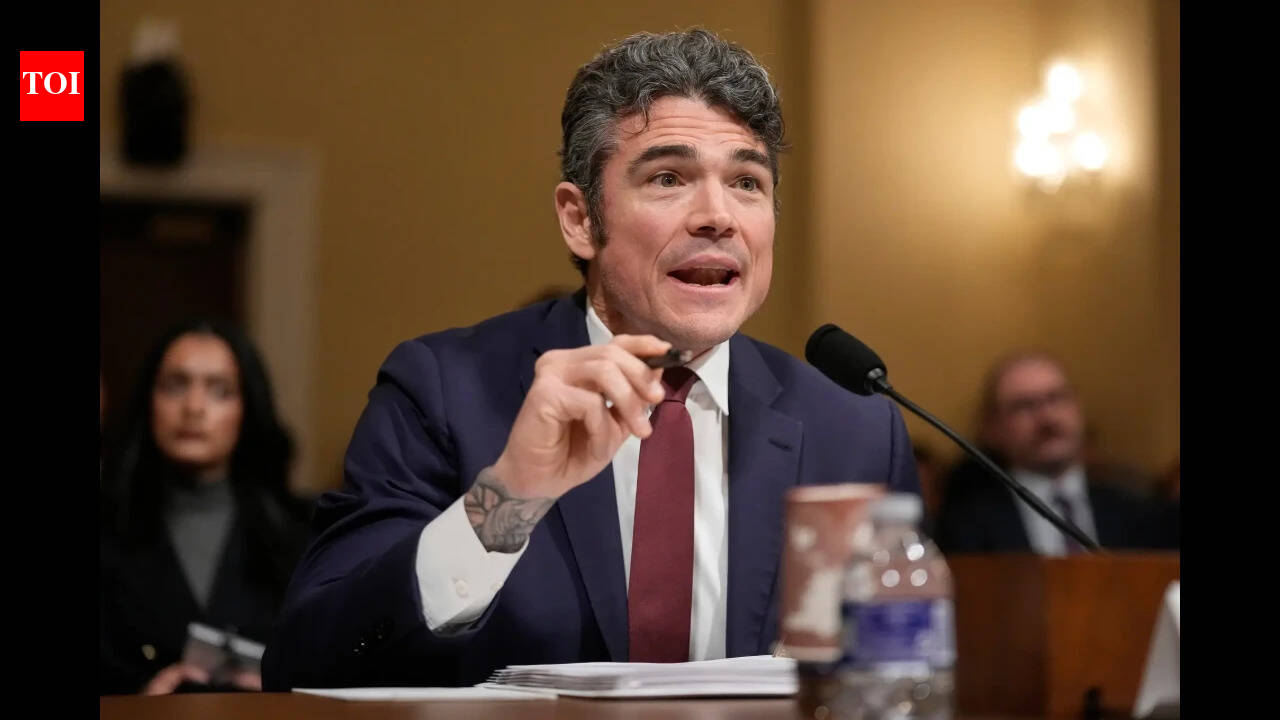
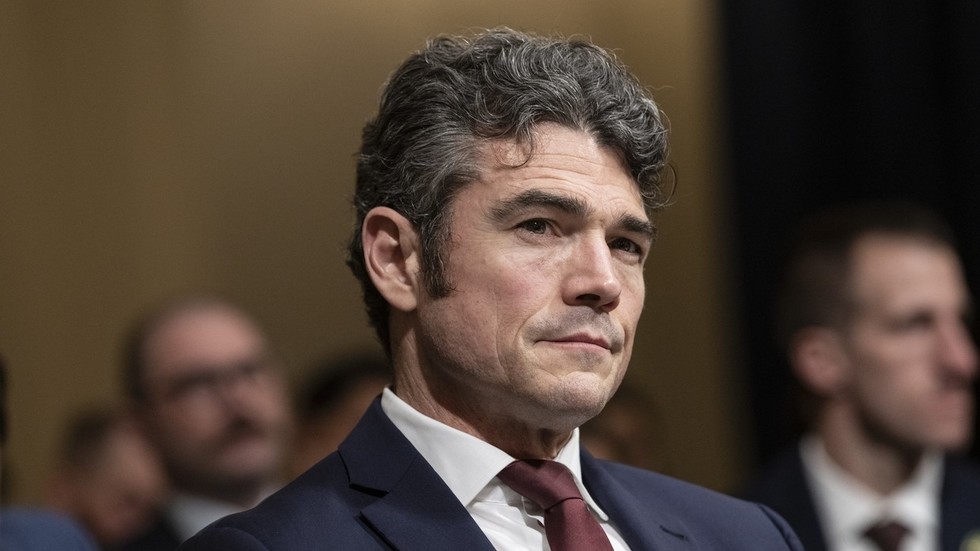
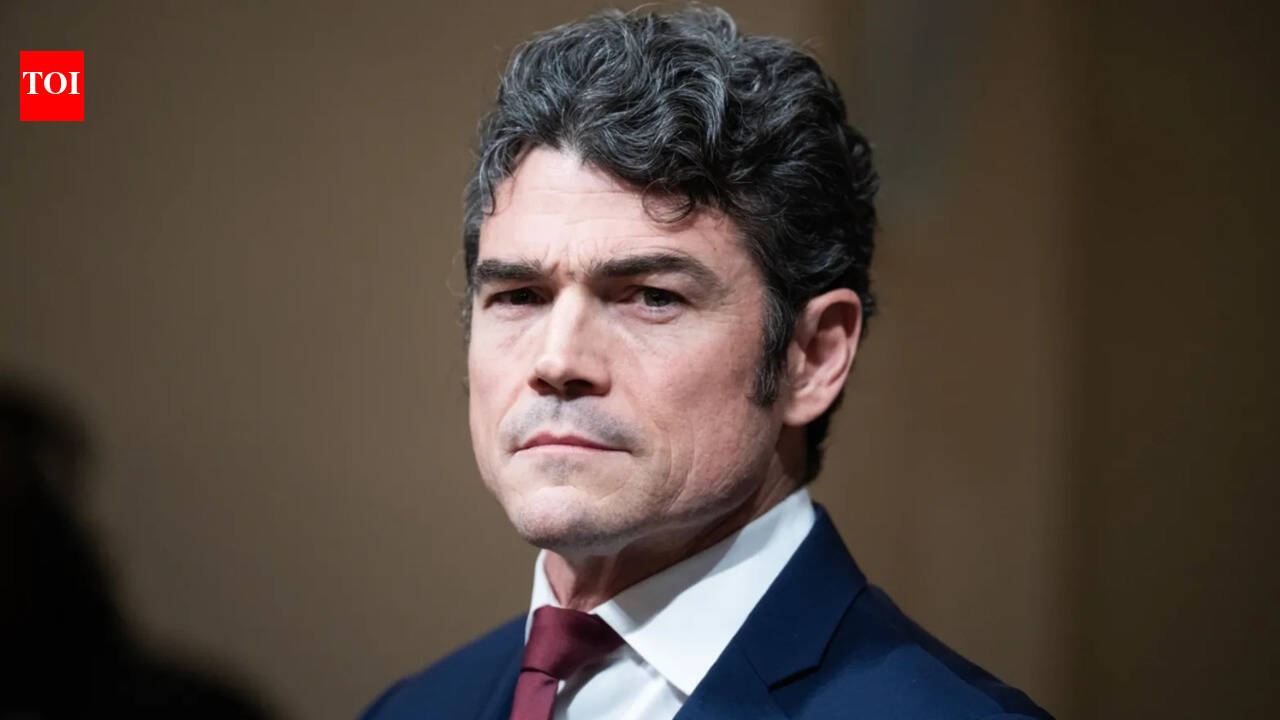
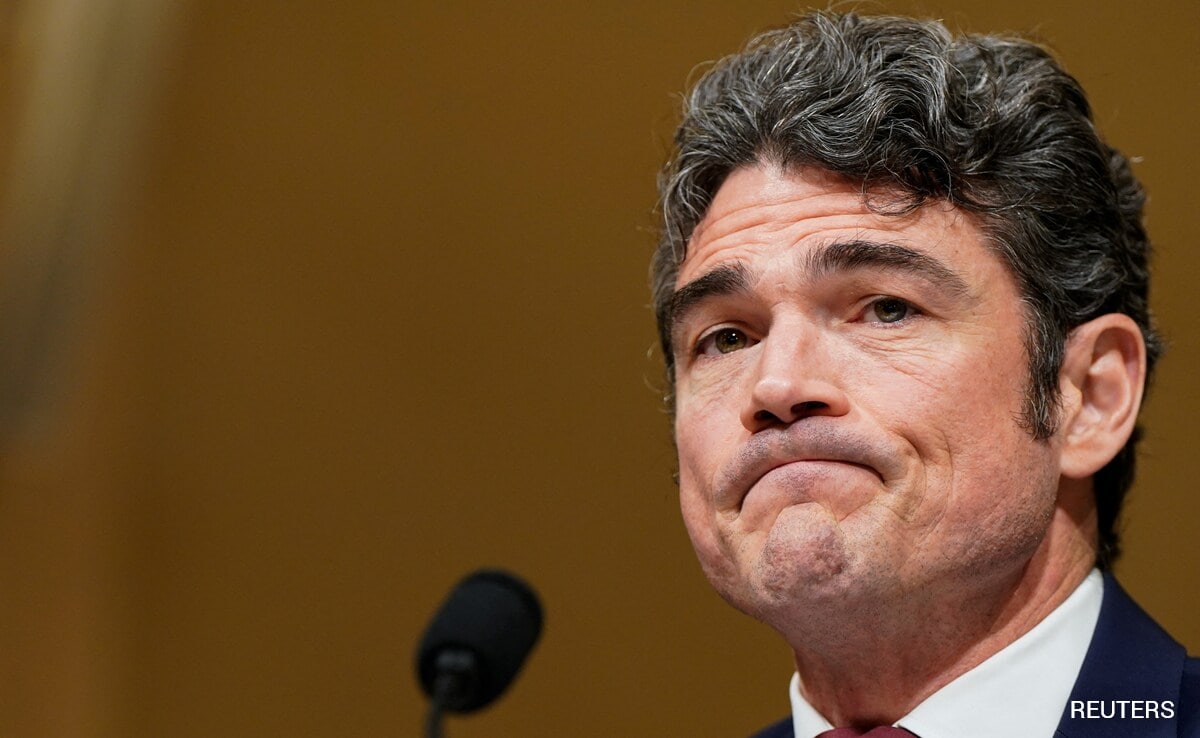
- The officials' testimony comes a day after Joe Kent, the head of the National Counterterrorism Center, resigned in protest of the Iran war. "Iran posed no imminent threat to our nation," Kent wrote in his resignation letter.
- Wednesday's hearing will be live-streamed in the video player at the top of this page.
Top Gabbard aide resigned over Iran war on eve of hearing
Joe Kent, who led the National Counterterrorism Center, resigned Tuesday, saying he "cannot in good conscience support the ongoing war in Iran."
"Iran posed no imminent threat to our nation, and it is clear that we started this war due to pressure from Israel and its powerful American lobby," Kent wrote in his resignation letter to Mr. Trump.
Kent accused high-ranking Israeli officials and some in the media of waging a "misinformation campaign" that was "used to deceive you into believing that Iran posed an imminent threat to the United States, and that should you strike now, there was a clear path to a swift victory."
"This was a lie," he said, urging Mr. Trump to "reflect upon what we are doing in Iran, and who we are doing it for."
In a post on X, Gabbard appeared to respond to Kent's letter, saying the president "is responsible for determining what is and is not an imminent threat."
"After carefully reviewing all the information before him, President Trump concluded that the terrorist Islamist regime in Iran posed an imminent threat and he took action based on that conclusion," she said.
2025 report said Iran was "not building a nuclear weapon"
Nearly a year before the U.S. launched the current war against Iran, the intelligence community said in its annual assessment that it continued "to assess Iran is not building a nuclear weapon" and that then-Supreme Leader Ali Khamenei had not reauthorized the program, "though pressure has probably built on him to do so."
"Khamenei continues to desire to avoid embroiling Iran in an expanded, direct conflict with the United States and its allies," the March 2025 report said.
A few months later, the U.S. became involved in the 12-day war between Iran and Israel, bombing three Iranian nuclear sites, which Mr. Trump claimed had "obliterated" its nuclear program.
Since the latest bombing campaign against Iran began on Feb. 28, which killed Khamenei, Mr. Trump and other administration officials have claimed that the regime posed an "imminent" threat to the U.S.
The 2025 assessment also warned that Iran had fielded a large number of ballistic and cruise missiles, as well as unmanned drones, that had the ability to strike throughout the region.
"Iran's large conventional forces are capable of inflicting substantial damage to an attacker, executing regional strikes, and disrupting shipping, particularly energy supplies, through the Strait of Hormuz," the report said.
Testimony from intel chiefs comes as questions grow about Iran war
Mr. Trump's spy chiefs will testify to the Senate Intelligence Committee at its annual hearing on global security threats facing the U.S.
Their appearance comes as Democratic lawmakers call for Trump administration officials — specifically Secretary of State Marco Rubio and Defense Secretary Pete Hegseth — to answer questions in public about the rationale for the war with Iran and the administration's endgame.
Instead, it will be Gabbard, Ratcliffe, Patel, Hartman and Adams in the hot seat as the timeline for the end of the war remains unclear, justifications for the military operation have shifted and U.S. allies are reluctant to get involved.
The annual hearing typically focuses on threats from China, Russia and Iran, though last year's hearing was dominated by a Signal chat in which Trump officials discussed sensitive details about military strikes in Yemen.
Top U.S. counterterrorism official resigns
Top U.S. counterterrorism official resigns, says "Iran posed no imminent threat to our nation"
(03:28)





 English (US) ·