
 1 hour ago
1
1 hour ago
1
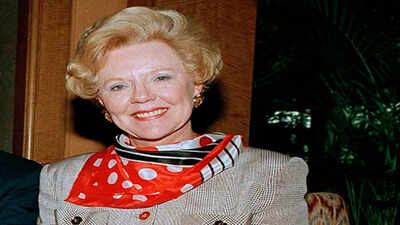
What happened after Joan Kroc left the Salvation Army one of the biggest donations in history? Image credit - Wikimedia
The donation from Joan Kroc became known for its magnitude. Guinness World Records notes that it became the largest single charitable donation of such kind ever made. However, what makes the event relevant and interesting until now is rather its practical implications.
This particular donation was not directed to some remote funds nor was it used only to name something. Rather, the money enabled construction of community centers that are being used by many people throughout the United States.The effect of Joan Kroc's gift is present in swimming pools, fitness rooms, classes, theater, and various programs for youth operating all around the country. Very often, these centers have become places of civil gatherings in communities lacking resources to develop such facilities.According to the Guinness World Records and other sources related to Salvation Army, the total amount of Joan Kroc's legacy that supported the organization amounted to several billion dollars following her passing in 2003. This bequest enabled development of the network of Ray and Joan Kroc Corps Community Centers or Kroc Centers.The San Diego venture would set the standardPrior to the national rollout, Joan Kroc had already invested heavily in a community center in San Diego. As per information from the Salvation Army, she committed $90 million in 1998 to establish a facility that would emphasize recreation, arts, education, and social services for residents.
This became an example of how the initiative could be scaled up. Rather than building exclusive facilities for culture or private clubs, the concept involved building centers that would cater to general public use. The Kroc Centers included sports, educational, artistic, and other community services in one structure.Later on, the Salvation Army replicated the same model to build Kroc Centers across the country.
Ultimately, this made the philanthropic venture something tangible to experience rather than merely theoretical, as seen in various financial statements.Why the centers were significant locallyOne of the reasons why the Kroc Centers have been significant was the array of services that they provided. Based on information from the Kroc Centers and Salvation Army, several centers offered swim instruction, youth sports activities, fitness classes, after-school programs, music education, and family events.
They also offered various support programs related to health, education, or spirituality.Variety ensured that the centers became an important part of community life. A young person may visit the basketball courts after school hours, while a retired individual may join fitness classes. Parents could enroll their children in art classes or participate in summertime programs.There is evidence showing the crucial role played by such community spaces for both urban planners and public health researchers. According to a report issued by the National Recreation and Park Association, community recreation facilities could help foster social interaction, youth development, and health benefits.
Thus, the gift has made itself evident even decades later. The donation enabled the construction of actual community facilities rather than symbolic undertakings.
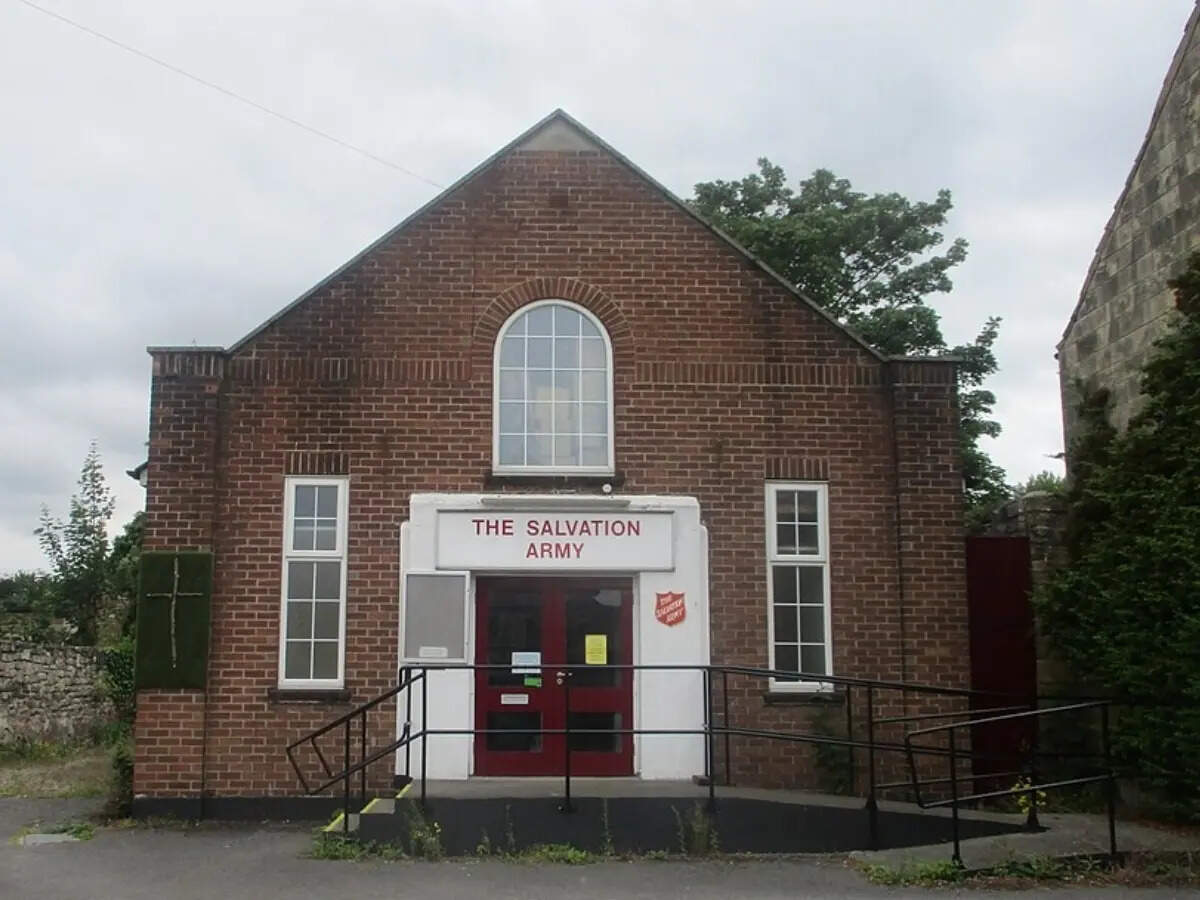
The hidden legacy behind Joan Kroc’s massive donation decades later. Image credit - Wikimedia
The gift transformed the Salvation ArmyThe bequest also resulted in the transformation of the Salvation Army’s strategy concerning its community engagement efforts. While continuing to organize charity events, the organization started constructing community infrastructures via the Kroc centers.
Salvation Army literature speaks about endowment-supported centers planned for decades ahead of time.This was important because some community facilities face issues with the cost of maintaining their structures, or sometimes lack consistent funding. The Kroc model tried to incorporate construction and the ability for the facility to operate simultaneously in its funding plan.As is commonly stated, sustainable philanthropy requires access and maintenance as much as the initial investment or donation.
In the case of the Kroc donation, not only were there physical facilities built in the community, but there was an attempt made to maintain them.Reasons for the lasting memory of the storyMany large charity donations occur frequently but are forgotten soon afterwards. What made Joan Kroc's donation so memorable is that she actually built something lasting out of her money.Also, the tangible results of her donations have allowed her actions to have an impact on actual people's lives by giving them a facility that they could use, like children learning to swim, families meeting together, and other community activities being provided through these spaces.






 English (US) ·