
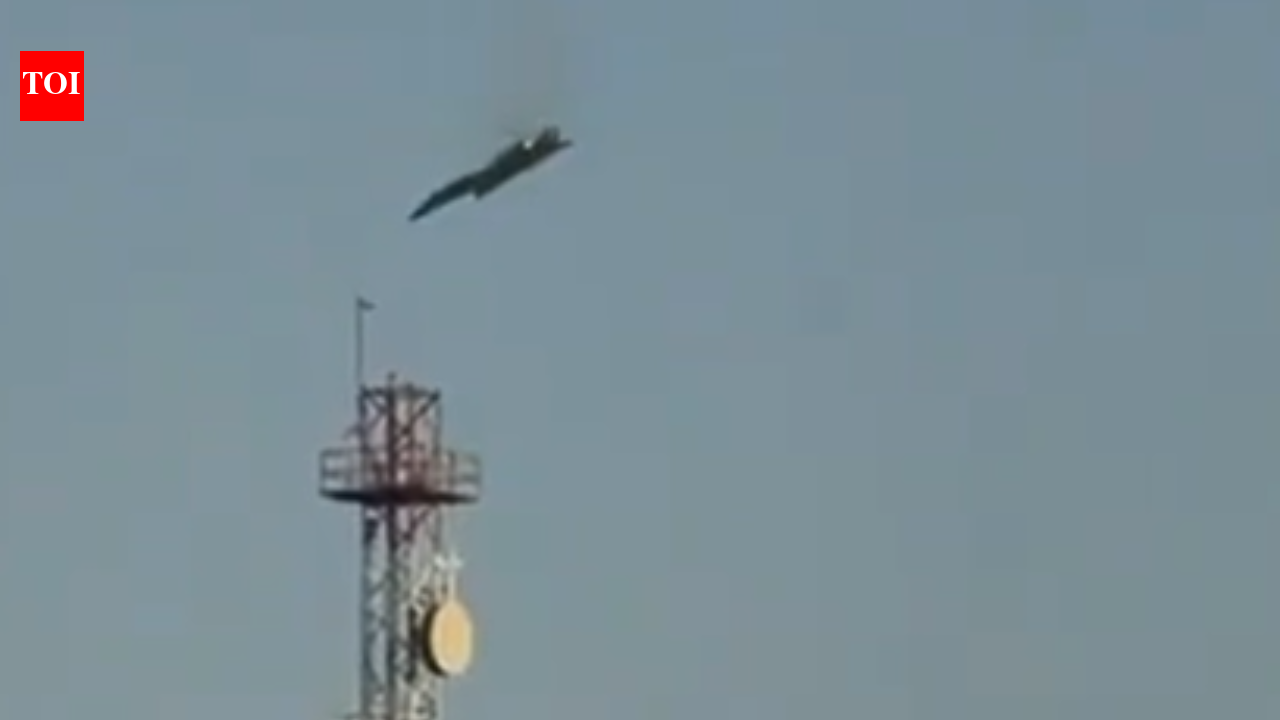
As the United States and Israel launched joint strikes on Iran on February 28, the US simultaneously deployed a new, single-use drone in combat for the first time.
The Low-cost Unmanned Combat Attack System (LUCAS) is a disposable drone that the US developed quickly by reverse-engineering Iran's battle-tested Shahed-136 model.
US Central Command confirmed the drones were being used in a post on X. “CENTCOM's Task Force Scorpion Strike – for the first time in history – is using one-way attack drones in combat during Operation Epic Fury.”
“These low-cost drones, modeled after Iran's Shahed drones, are now delivering American-made retribution,” it added.
It's an irony that hasn't escaped the notice of weapons specialists.
Russia has used the Iranian-designed, single-use Shahed drone extensively to strike urban centres in Ukraine since the start of its February 2022 large-scale invasion.
The Russia-Ukraine conflict has transformed the way modern war is waged: Western powers in the past focused almost entirely on developing high-tech weapons but the conflict in Ukraine has shown that mass producing low-cost devices can be just as important.
'High-low’ mix that overwhelms defences
"The Iranians initially developed the Shahed because it allowed them to strike at long range and at low cost, while simultaneously overwhelming enemy defences," said an aeronautics expert at the French Institute of International Relations, who declined to be named.
"A refined version we saw emerge in Ukraine is the 'high-low mix': a combination of low-tech drones with ballistic and cruise missiles. This allowed them to overwhelm and penetrate enemy surface-to-air defences."
Developed by Arizona-based company Spektre Works, the LUCAS was rapidly developed by reverse-engineering the Shahed. Its first successful test launch at sea dates only from December.
According to the specialised media outlet Defense and Security Monitor, the LUCAS and the Shahed are very similar but the US drone has more sophisticated networking capabilities. However, the range of the US drone is smaller – approximately 650km compared to 2,000km for the Shahed – as is its payload, which is less than half that of its Iranian counterpart.
A $35,000 drone
Multiple suppliers currently produce LUCAS drones, the design of which has been simplified as much as possible. The unit price is currently estimated at $35,000 (€30,200) but the US military hopes to reduce it to $5,000. This is a pittance compared to the remote-controlled MQ-9 Reaper drone, which costs more than $50 million but is reusable and far more sophisticated.
"When we talk about America's adversaries, like Russia or China, we're dealing with very sophisticated and integrated surface-to-air defences. To get past them you have to fire a lot of weapons simultaneously – and that cannot be done solely with advanced weapons," the aeronautics expert explained.
"Supplementing this with small drones can overwhelm such systems by offering a large number of targets to engage."
The shift in tactic is also due to lessons learned in other theatres of war. When Houthi rebels attacked the Languedoc frigate in the Red Sea in late 2023 using Shahed drones, France’s military responded using Aster missiles – munitions that cost more than €1 million to neutralise a device costing $30,000.
"The other aspect of saturation is forcing the adversary to fire. For one, they reveal themselves. Secondly, they use up their missiles. And anti-aircraft missiles are expensive," the expert explained.
"If stockpiles are depleted faster than they are replenished, you end up in the same situation Ukraine faced in late 2023: they had to reduce their interception rate and adapt their strategy – intercepting inexpensive weapons with inexpensive equipment."
The United States is not the only nation turning increasingly to single-use drone technology. France has already ordered the One Way Effector, a kind of French Shahed, which the MBDA company unveiled at the 2025 Paris Air Show. It should be operational by 2027.
This article has been translated from the original in French.









 English (US) ·