
 1 month ago
57
1 month ago
57
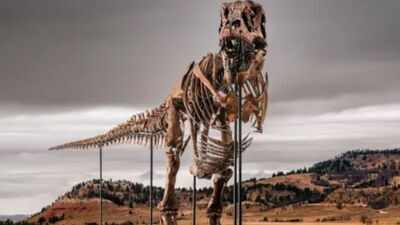
For decades, Tyrannosaurus rex has occupied a unique place in popular culture, appearing as both a scientific subject and a symbol of prehistoric power. Now, one exceptionally preserved specimen has made history for a different reason: its price.
A T. rex fossil known as Gus has sold for $50.1m at auction in New York, setting a new record for any dinosaur fossil ever purchased. The sale has drawn attention not only because of the enormous figure involved, but also because of what the specimen reveals about the life of one of Earth’s most famous predators.
Rare Tyrannosaurus rex skeleton sets a new auction record
As reported by the BBC, the fossil, sold by Sotheby’s, reached a final price of £37.4m ($50.1m), surpassing the previous auction record held by a stegosaurus specimen sold in 2024.
It is the first dinosaur fossil to cross the $50m mark at a public auction.Standing more than 12ft (4m) tall, Gus represents one of the more complete T. rex skeletons available to private collectors. More than 60% of its bones were recovered, giving scientists and fossil specialists an unusually detailed look at the animal’s structure.The buyer behind the record-setting bid has not been publicly identified. The sale marks another moment in the growing market for rare fossils, where wealthy private collectors compete for specimens that were once found only in museums and research collections.
The discovery of Gus in South Dakota
Gus was discovered in 2021 on a remote ranch in South Dakota, a region that has produced several important dinosaur discoveries. The excavation was not a quick recovery operation. Teams worked through three summers, waiting for conditions when frozen ground had softened enough to carefully remove the fossilised remains.Once the bones were transported for preparation, specialists spent another three years restoring and assembling the skeleton.
Fossil preparation requires careful work, with each bone cleaned, repaired and positioned to recreate the animal’s original form.The finished specimen became a rare example of a T. rex that preserves enough of its skeleton to show both its anatomy and clues about its life millions of years ago.
Signs of a dangerous life preserved in bone
Gus’s remains also carry evidence of injuries suffered while the dinosaur was alive. Examination of the skull revealed bite marks, while several ribs showed signs of earlier breaks that had healed.Those injuries suggest the animal survived violent encounters during its lifetime. The damage may have come from fights with other dinosaurs or from the dangers involved in feeding on carcasses left behind by other predators.Such details provide a glimpse into the harsh conditions faced by T. rex nearly 67 million years ago. Fossils do more than show what these animals looked like; they can sometimes preserve traces of their experiences.
A new chapter for private fossil collecting
The sale has raised questions among some palaeontologists about the future of major fossil discoveries. High-profile auctions have increasingly attracted billionaire collectors, creating a market where scientifically valuable specimens can move into private ownership.However, private ownership does not always mean fossils disappear from public view. The stegosaurus fossil Apex, which previously held the auction record, was purchased by billionaire investor Kenneth Griffin and later displayed at the American Museum of Natural History through a long-term loan agreement.A similar arrangement could eventually happen with Gus, although details about the new owner and the fossil’s future location remain unknown.






 English (US) ·